Explore 5 tips for having a successful and productive estate planning conversation.
An effective estate planning discussion with loved ones can create transparency and trust as you move toward achieving your legacy goals. It gives you the opportunity to explain your decision-making process and how it connects to your values.
We can help you plan for and facilitate these discussions when the time comes.
Here are 5 tips to fostering healthy family estate planning conversations:
1. Decide who should be part of the conversation
Carefully consider who needs to know about your estate plan and invite them to a discussion. This can include your loved ones, heirs, as well as the person you’ve chosen to be your executor or trustee. And if you think it would benefit you, consider including us as a facilitator to help structure productive discussions.
As you think through who should be part of this conversation, consider the best setting to relay this sensitive information. You could hold this conversation as a group or on an individual basis — it will depend on your preferences, the relationships you have with each person, as well as other interpersonal dynamics.
Advice spotlight
Have an estate planning conversation with anyone who may be impacted (or surprised) by your wishes.
This will allow you to directly answer questions about your thought process, minimize confusion and potentially prevent future challenges to your estate.
2. Establish how you want to explain your goals and values
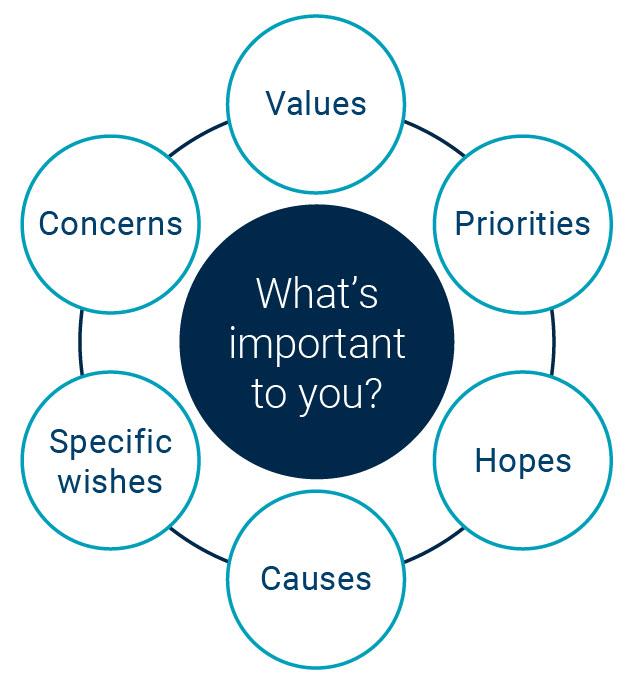
This is an opportunity to clearly articulate the financial goals and values that have informed your plan — and explain the reasoning behind your decisions. These questions may help guide the discussion:
- What are your values concerning money and where did they come from?
- What are your biggest priorities in an estate plan?
- What are your greatest hopes and most significant concerns about what happens to your estate?
- What are the causes, charities or philanthropic endeavors you care about most?
- Do you have specific wishes with how your beneficiaries use their inheritance?
- Do you have any concerns about your heirs' ability to manage their inheritance?
3. Have an agenda
Defining an agenda can help prioritize the topics and issues you want to cover.
One key outcome of these conversations is to ensure your loved ones understand their responsibilities after you’re gone — and whether they are comfortable with their respective roles. For example, does your executor or trustee know what will be expected of them? Is the beneficiary of an investment account comfortable managing such assets?
As part of these estate planning conversations, explain the people and resources available to help and how to access them upon your passing.
4. Look for ways to draw people into the discussion
The most productive conversations are those that provide plenty of opportunities for feedback and a back-and-forth exchange. Think about how you can elicit potential concerns or questions.
Here are a few questions to ask:
- Is there anything that surprised you?
- Are the details of the plan clear?
- How do we avoid any unintended vagueness?
- Are there any gaps in the estate plan that need to be addressed?
5. Consider bringing in help
Regardless of your family situation and complexity of the estate, professionals can help. We can help you plan and facilitate the conversation, and your estate attorney can explain the legal aspects of more complicated trusts or other strategies. In particularly complex or contentious situations, it may be worthwhile to hire a professional mediator to join your advisor and attorney to help guide the discussion.
Prioritize your estate planning conversation
As you think through your legacy, we can help you foster an open and productive dialogue with your family members and loved ones about your estate.